
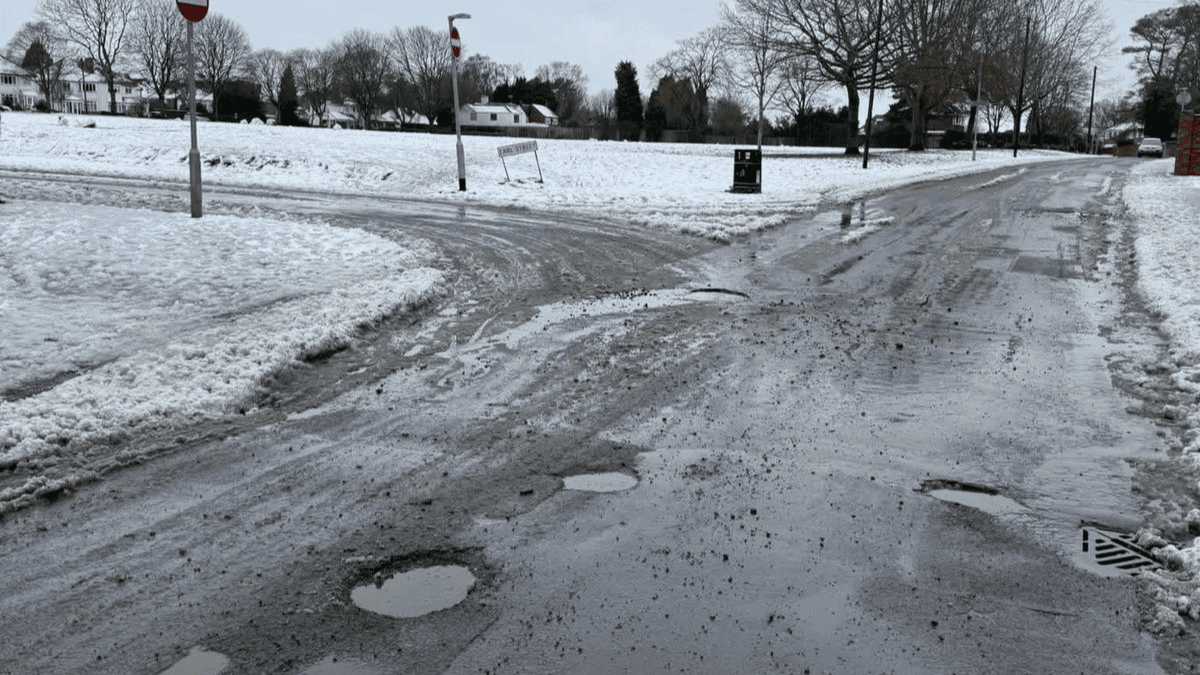
HallCraft customers are being driven potty by potholes across the West Midlands.
Motorists reporting damage from potholes to HallCraft, the West Midlands leading independent garage, is at an all time high.
This is despite the £373 million the UK Government promised to fix them – and the additional £8.6m secured by the West Midlands Mayor Richard Parker to fill potholes and resurface roads in the local area.
The problem is so serious, the UK even has a National Pothole day to focus on the problem, and yesterday motoring groups and industry experts, yet again highlight the issues caused by localised potholes.
In his 30 years of business, HallCraft Director James Hopcraft has seen hundreds of vehicles book in with cracked alloys, buckled wheels, damaged tyres and impact damage to suspension caused by potholes.
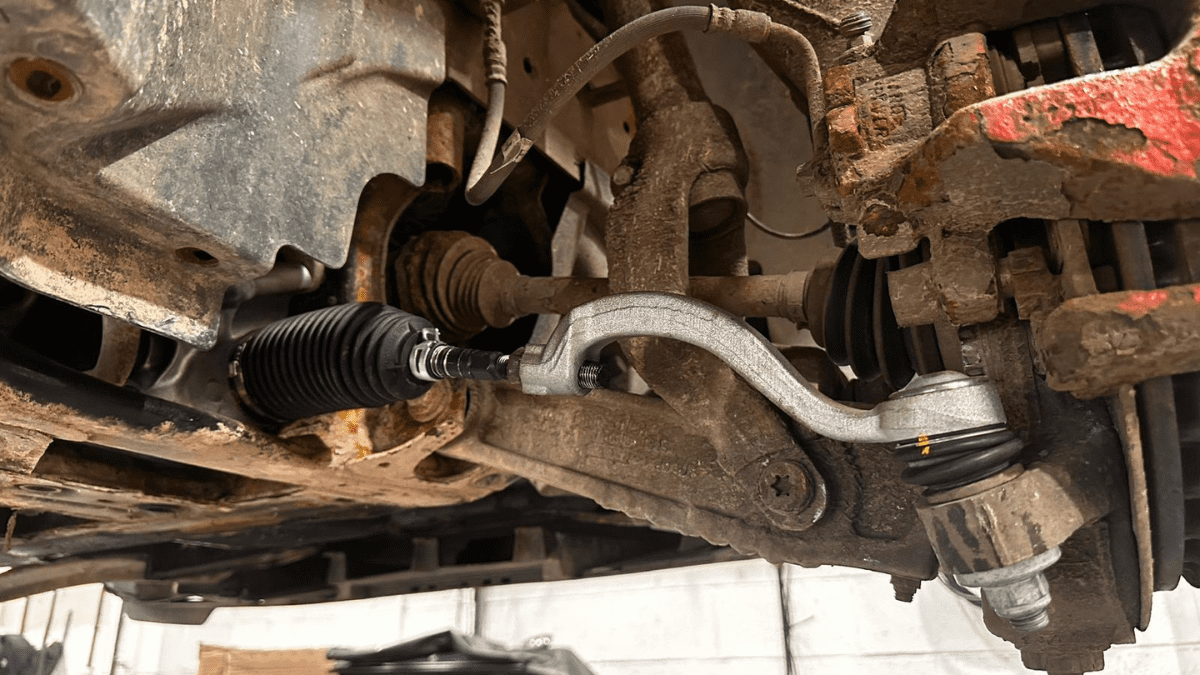
Worse of all, much of the damage caused by potholes – including suspension damage, dangerous tyres and unaligned wheels – cannot be seen by motorists.
Undetected Damage
“Quite often the damage goes undetected until spotted by a garage during a routine service or MOT,” James explained.
“There are occasions that the damage causes the TPMS (type pressure monitoring system) light to come on prompting the driver to have the vehicle checked over.
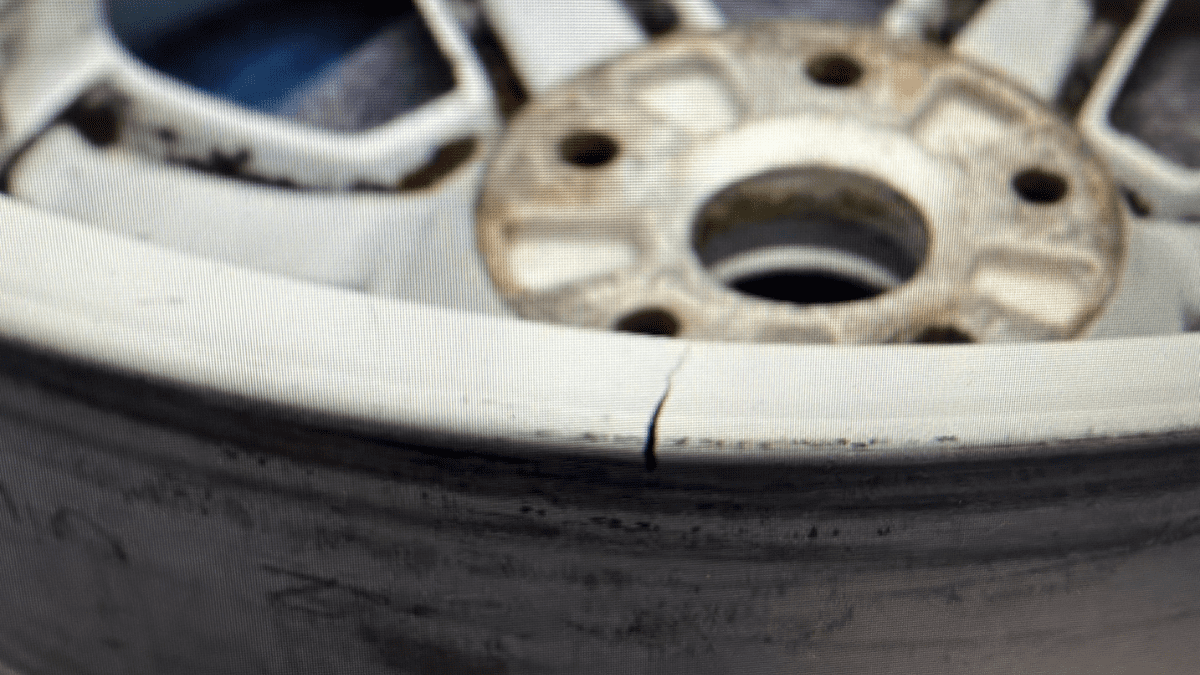
“Alloy wheels can crack under impact but HallCraft technicians are trained to spot cracked alloy wheel rims. They mostly crack on the weaker inside edge of the rim that you cannot see from the curb side. We also know wider wheels are more prone to cracking.
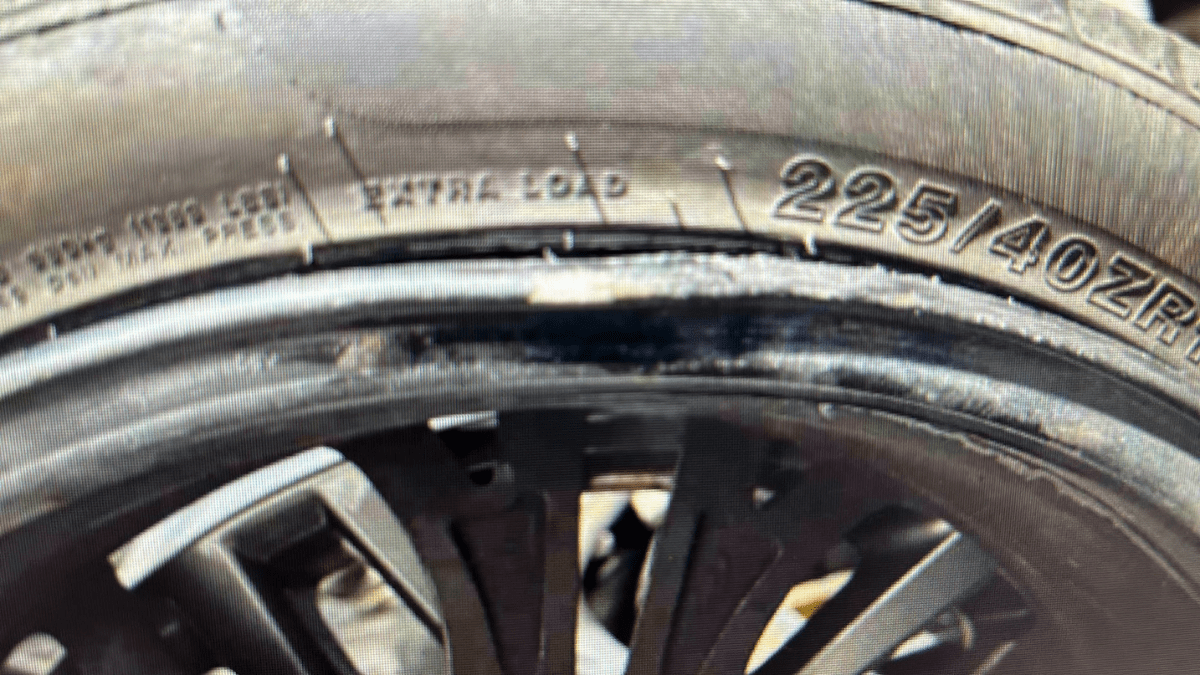
“Our service advisors deal often with distressed drivers in cases where the sidewalls of tyres are split wide open by a pothole, leaving the car & occupants stranded.

Tyre Damage
“And many new cars no longer have spare wheels leaving drivers with little option but to have the vehicle recovered, particularly at night when no tyre centres are open to replace the damage tyre. This is so inconvenient, especially if miles away from home.
“The HallCraft Service team are quick to point out that your vehicle suspension is not immune to damage because of the state of the roads today.
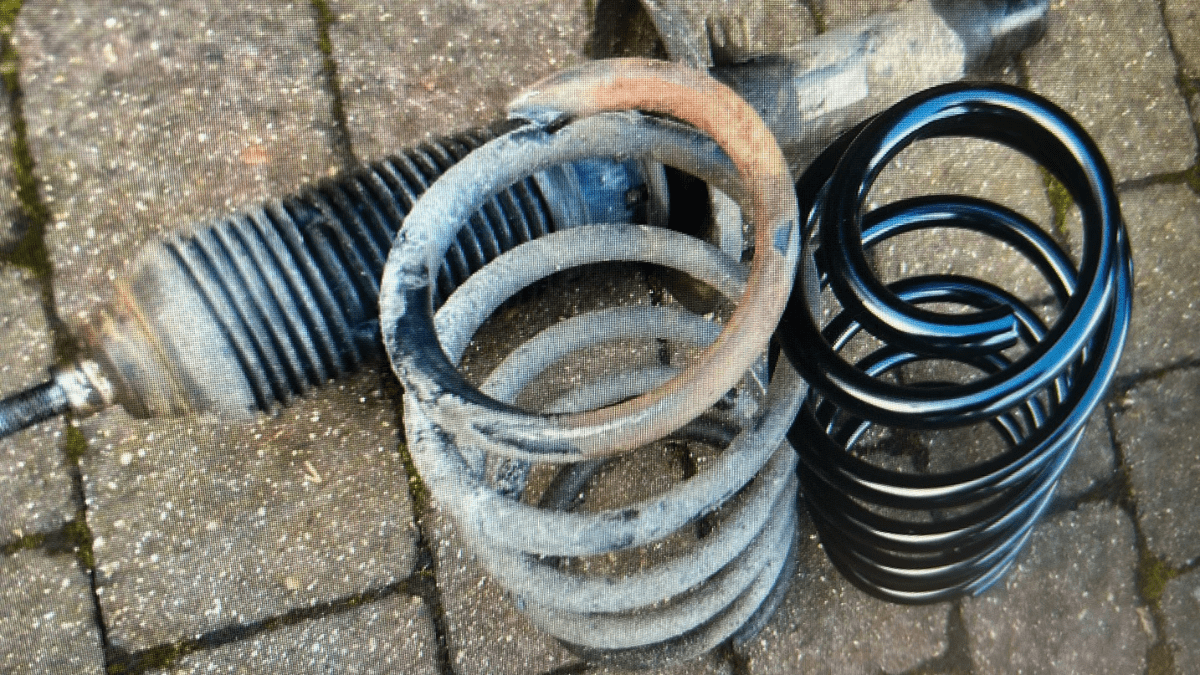
“A combination of cheaper materials used by manufacturers and pot holes can spell disaster for the motorist, hitting them hard in the pocket for expensive road spring, steering rack and ball joint replacements, not forgetting the four wheel alignment that needs to be carried out each time a suspension component is replaced.”

Resurface Roads
The estimated money was pledged to fill 88,000 potholes and would be distributed across Dudley, Sandwell, Solihull, Walsall, Wolverhampton and Coventry.
That 35% increase in the region’s highway repair funding, was in addition to the £24m already committed by the Department for Transport for 2025-26.
West Midlands Mayor Richard Parker said: “Far too many of our roads are blighted by dangerously deep potholes, cracks and craters.”
National Pothole Day
The UK pothole problem is such that since 2015 the nation has recognised the issued with a ‘National Pothole Day’, starting began in 2015, initially by campaigners and road users looking to raise awareness about the deteriorating state of Britain’s roads.
The choice of mid-January is symbolic given the Winter weather, frequent rain, frost and freeze-thaw cycles, which accelerate road damage, making potholes more prevalent and dangerous in the early part of the year.

How Do Potholes Develop?
Potholes form through a combination of environmental, structural and traffic pressures — and the UK’s climate plays a significant role:
- Water ingress and freeze-thaw cycles: Rain and melting snow seep into small cracks in the road. When temperatures drop, the water freezes and expands, breaking up the surface. Over repeated cycles, this leads to the collapse of the road surface and the creation of a pothole.
- Heavy traffic: Urban centres and major routes see high volumes of vehicles, especially lorries and buses, which exert pressure on road surfaces and worsen small cracks.
- Inadequate maintenance: Surveys of local authorities have shown many councils feel that the pothole problem has worsened over recent years, in part due to reduced funding for proactive maintenance and the prevalence of short-term “patch and run” repairs rather than lasting fixes.
- Climate change: Increasingly erratic weather — including heavier rainfall and more frequent temperature swings — compounds the strain on roads and accelerates pothole formation.
The scale of the problem is stark. Between January and November 2024, nearly 952,064 potholes were reported across the UK — the highest number in five years — averaging more than 3,000 reports per day.
Road defects are more than an irritation: they carry significant financial and safety costs.
Warranty Pothole Repairs
AA president Edmund King said: ‘A five-year warranty on every non-emergency pothole repair would be a game-changer.
‘It shifts the focus from short-term patches to long-lasting repairs and ensures accountability from those carrying out the work.’
Freedom of Information requests, submitted by the Pothole Partnership, show inconsistencies in how councils measure pothole repairs, with 78 methods used across the UK.
The group said the proposed guarantee would mean contractors are required to fix a pothole for free if it reappears within five years.
Pothole Map
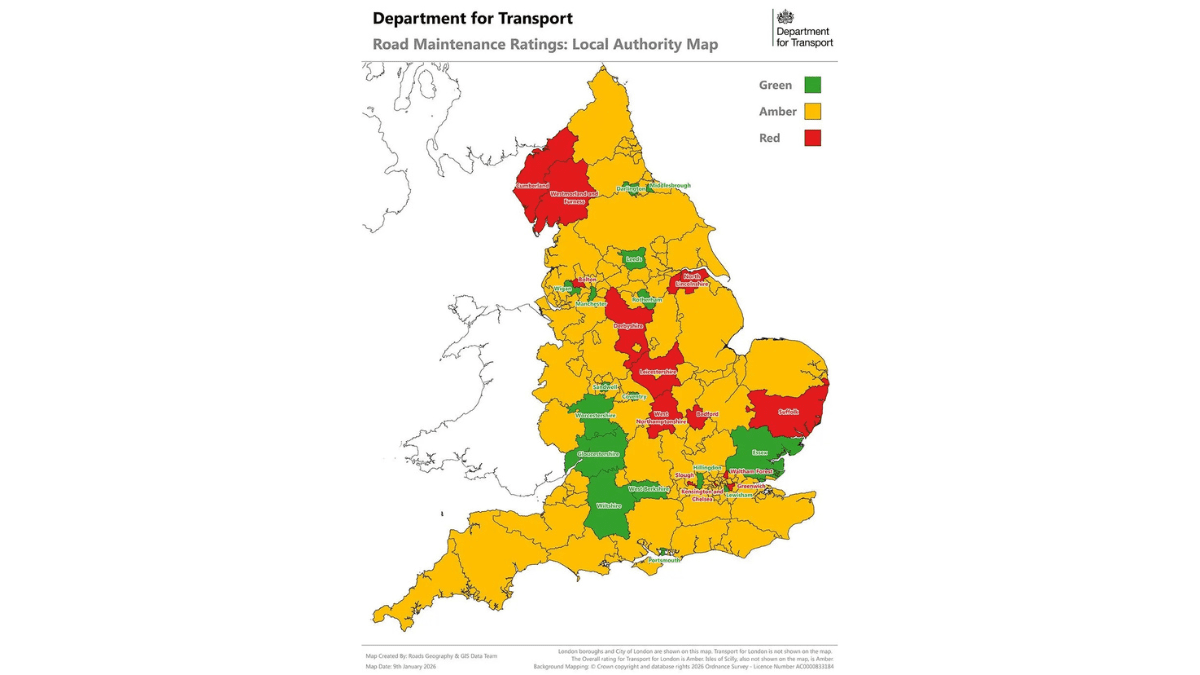
Britian’s pothole crisis is so bad The Department for Transport have issued a ratings map which allows motorists to view the problem for themselves.
Transport Secretary Heidi Alexander said drivers had been left to pay the price “for too long” and told the BBC’s Sunday with Laura Kuenssberg that people were “fed up of driving to work and hitting the same pothole day after day”, with drivers paying hundreds of pounds for “needless trips to the garage”.
She said the government was giving councils more funding to maintain roads and that it was “absolutely vital that the public has a mechanism to then see what is happening with that money”.
The government committed £7.3bn in November’s Budget to fix roads over the next four years.
The DfT rated 154 local highway authorities as red, amber or green based on road conditions and how well they were using government funds.
One Million Potholes
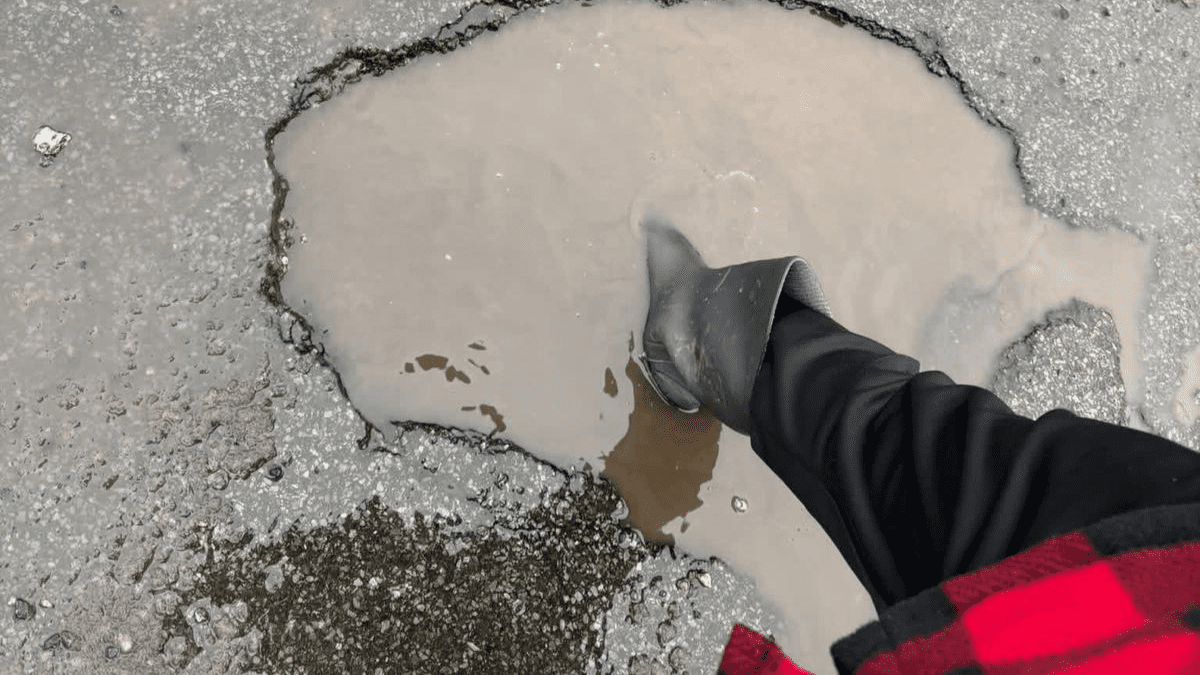
The UK is thought to have more than one million potholes, leading to 25,758 incidents in 2025 according to the RAC.
RAC head of policy Simon Williams said: “Fixing potholes as permanently as possible is vital. There’s nothing drivers find more incensing than watching them reappear after a few months, simply because they weren’t repaired to a high enough standard.
“But it’s important not to lose sight of the bigger picture which is that potholes are symptomatic of a lack of preventative maintenance. Roads that haven’t been surfaced dressed will start to break down as water gets into cracks, freezes and expands in the winter creating more potholes than daffodils in the spring.
“The route to smoother driving surfaces is simple: ensure water can always drain off the roads, fix potholes as permanently as possible, seal roads against water ingress through preventative maintenance, and resurface roads that have gone beyond the point of no return.
“If we continue to obsess with just filling potholes, that’s all we’ll continue to get.”
* If you have had a collision with a pothole or have concerns about the behaviour of your vehicle talk to the team at HallCraft and let us have a look and diagnose any issue via www.hallcraft.co.uk