Vehicle air conditioning not working? Must need a re-gas, right? Well, actually no!
There are a myriad of reasons why your air conditioning may not be working, and HallCraft are urging customers to ignore cheap offers to re-gas your system.
More and more customers are turning to HallCraft, having already paid other garages to ‘fix’ their air conditioning and last week we welcomed another classic example.
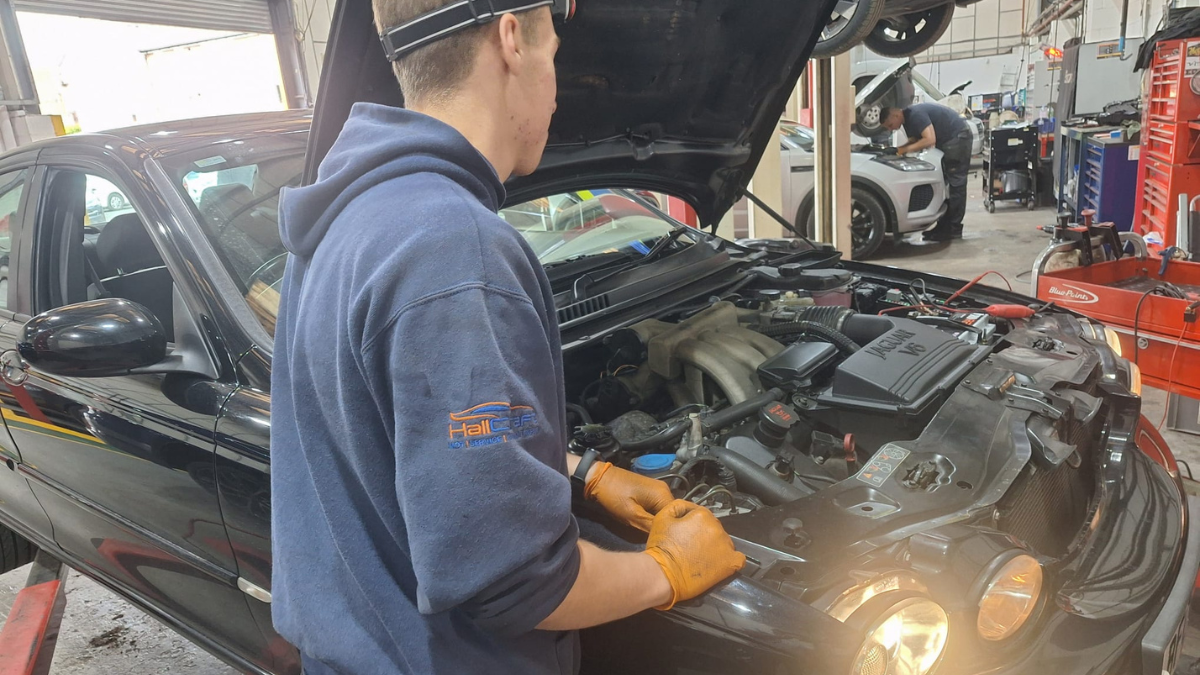
This lovely ’06 Jaguar X-type came in despite spending time with another garage and was struggling with its air conditioning system.
The customer had paid to re-gas the system, but quickly discovered the air conditioning still didn’t work.
The other garage then went onto to replace a rather expensive air conditioning compressor. But that didn’t work either.
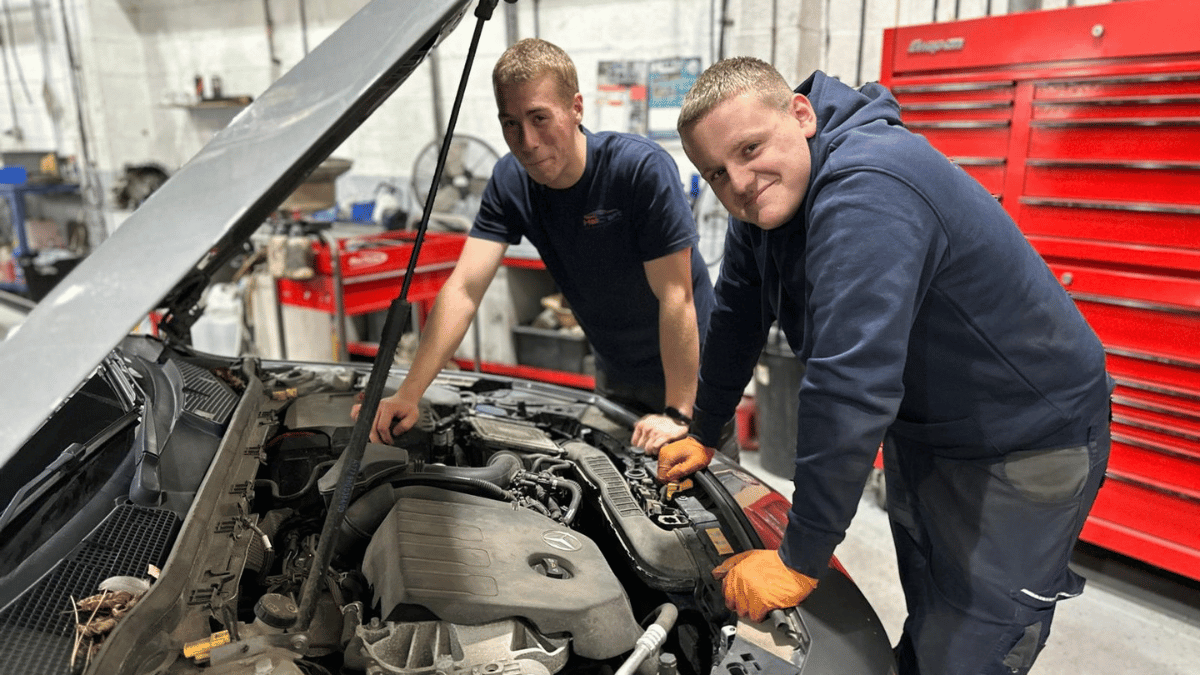
So, the customer decided to come to HallCraft, the West Midlands’ leading independent garage and our trained technicians quickly found the fault during our air conditioning assessment.
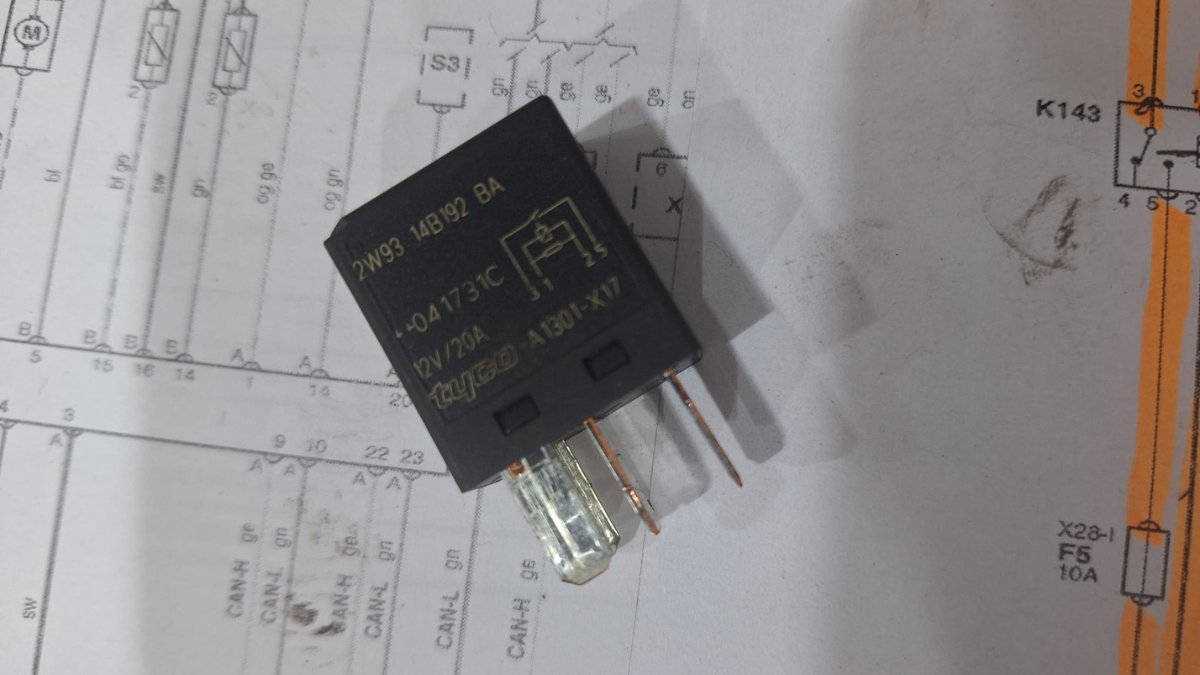
The fix…… a £5.34 relay!
Trained Technicians
“We take no pride or satisfaction in criticising other garages, but it is frustrating to see customers spending money on fixes for problems that don’t exist,” explained HallCraft owner James Hopcraft.
“It’s too easy for garages to offer re-gassing as a fix for air conditioning issues when they don’t know what the problem is, or what is causing it.
“I feel very passionate about this, as we see customers come to us having already wasted money with other garages, having gambled on an assumption that the issue is a re-gas.
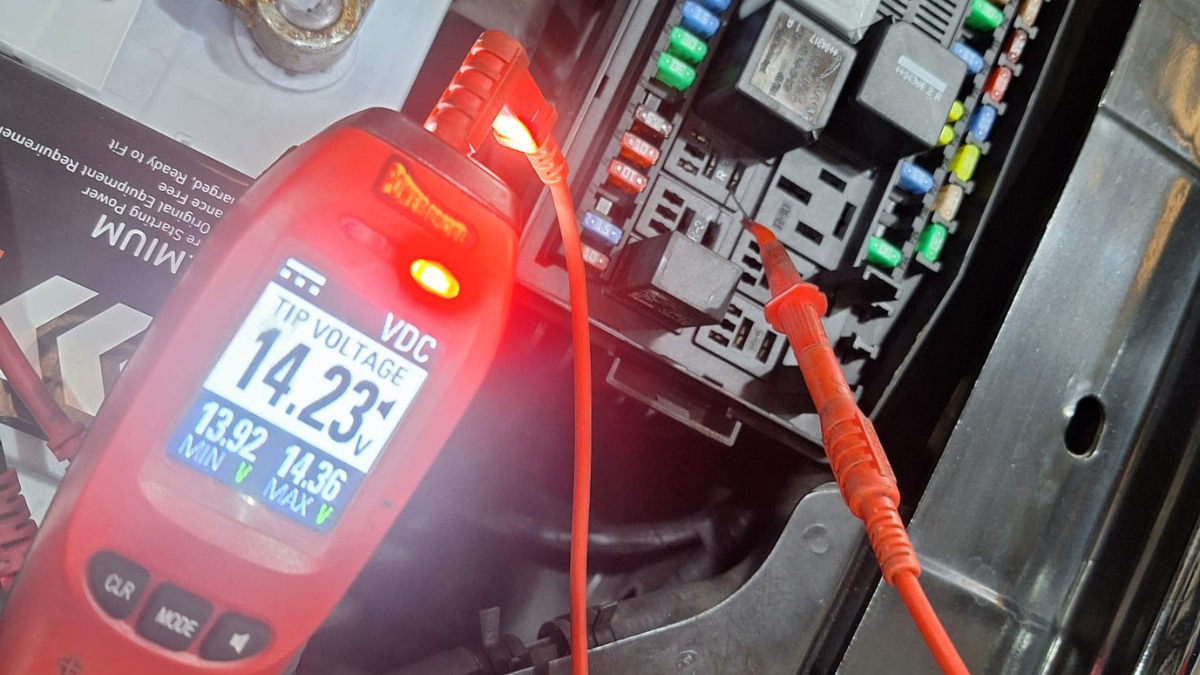
ATA and F-Gas Certified
“This was a great case in point. Our technicians are properly trained, and they follow a method of working to establish what the issue is, rather than jumping to a conclusion.
“In this case, the fix was a £5.34 relay. The problem was diagnosed by following evidence-based testing and fixed. First time.”
HallCraft technicians are ATA and F-Gas certified, all licensed to handle automotive air conditioning refrigerant. They use professional methods, including nitrogen pressure testing and UV dye, to find and confirm even the smallest leaks.
Having seen so many horror stories this Spring and Summer, HallCraft have decided to offer a 50% discount on air conditioning assessment fees for a limited period – to ensure customers get the proper advice.
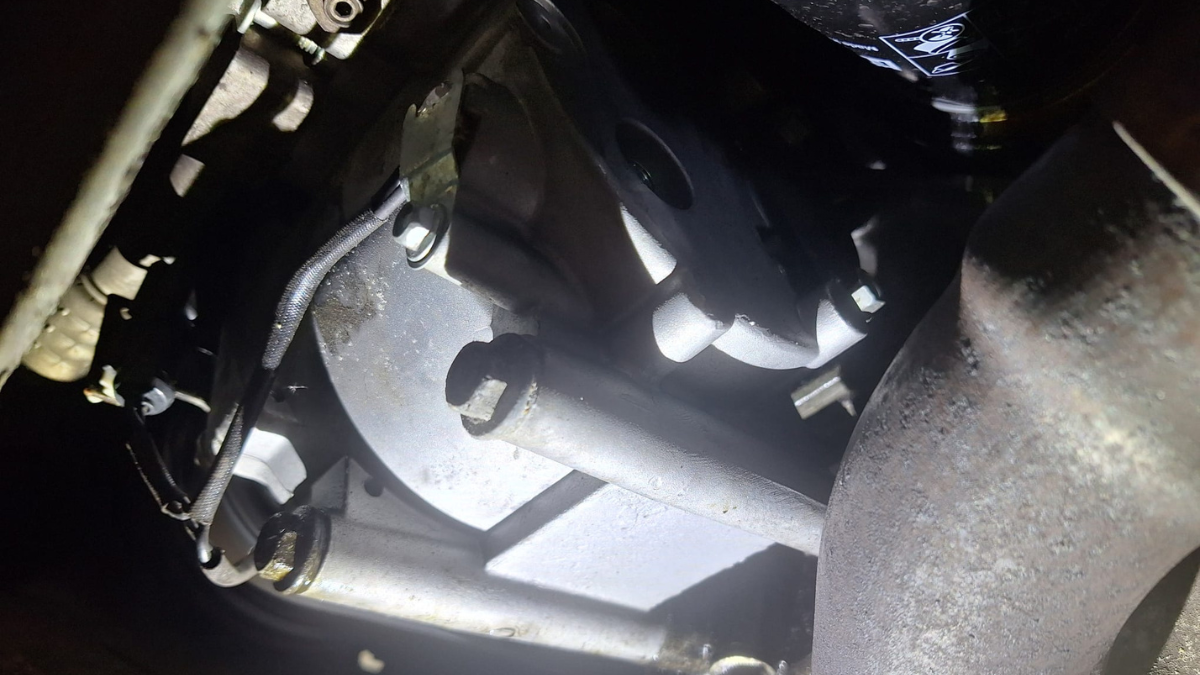
Air Conditioning Systems
Modern vehicle air conditioning systems are highly technical and can fail for a wide range of reasons, including leaking pipes, damaged condensers, faulty compressors, electrical issues, pressure sensor failures, or worn seals.
Air conditioning refrigerants are controlled gases regulated under F-Gas legislation due to their environmental impact. Releasing refrigerant into the atmosphere through a leaking system contributes to greenhouse gas emissions and breaches environmental regulations.
Under UK F-gas regulations, technicians must not knowingly recharge an automotive air-conditioning system that has an abnormal refrigerant leak without first repairing the fault.
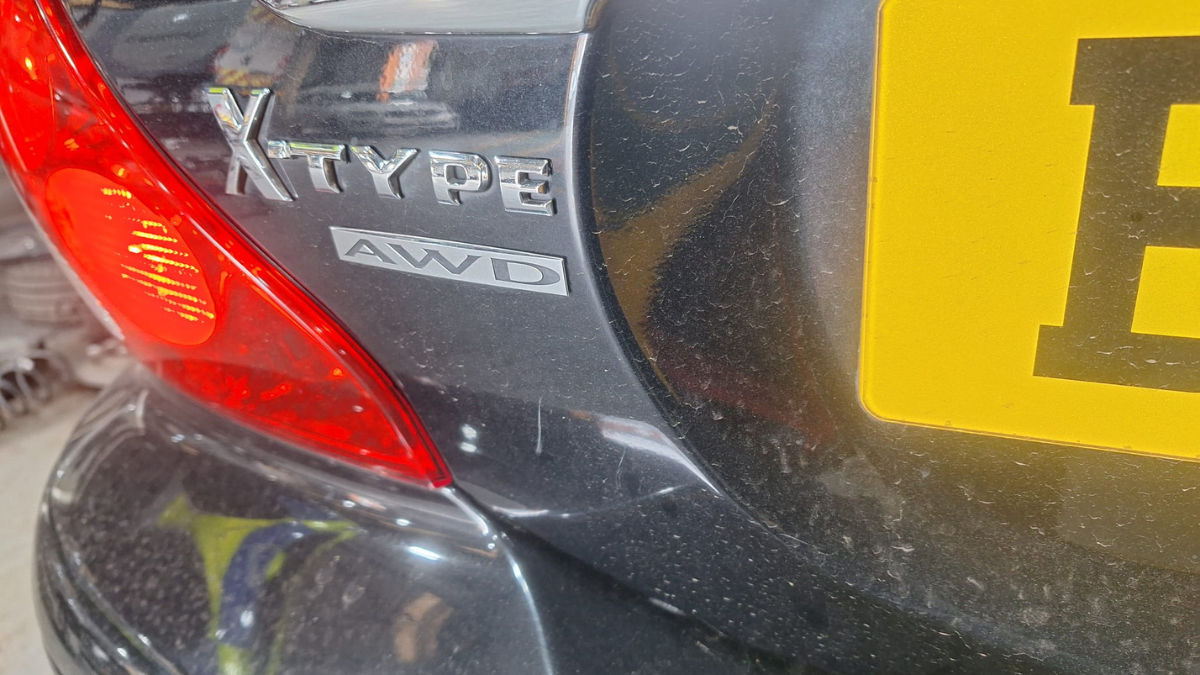
Air Conditioning System
HallCraft hopes drivers will understand their air conditioning system better by taking advantage of the reduced-price air conditioning assessment. This will also help to avoid repeated repair bills as we enter the warmer summer months.
“It is a great example of how properly trained technicians, using the correct wiring diagrams and specific test equipment, were able to quickly establish that the relay controlling the AC compressor was faulty,” James explained.
“It tells us the root cause of this customer’s air conditioning fault. We sourced a new relay, fitted it, and the AC is back up and running, proving it pays to test. The cost of an AC Compressor is £250 – £600, depending on brand, versus a genuine relay at £5.34.”
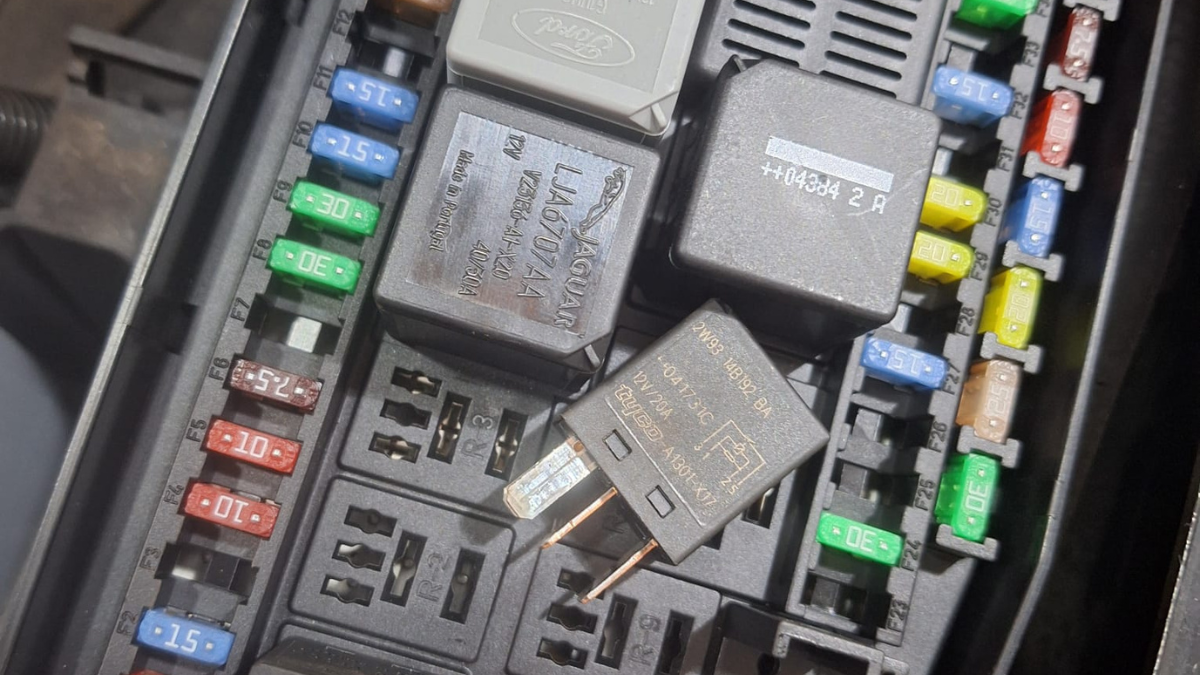
Air Conditioning Functionality
HallCraft advises drivers to pay attention to warning signs such as weak airflow, unusual smells, noisy operation, or air that fails to cool properly, as these can all indicate deeper mechanical or electrical issues.
In addition to identifying faults, proper air conditioning functionality can also help improve fuel efficiency and cabin air quality.
Faulty systems can place additional strain on a vehicle’s engine while also allowing bacteria and moisture to build up within the ventilation system.